


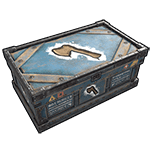
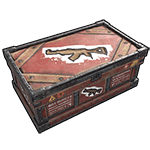
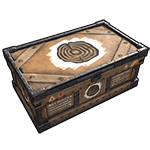

Rust Building Skins are cosmetic skins that change the visual style of your base—helping you match a theme, stand out on a server, or keep your builds consistent across multiple wipe cycles. On this page, you can explore all rust building skins by style, readability, and practical use cases—so you can pick skins that look great and make sense for the way you build.

What counts as Rust building skins (and what you’ll find here)
Rust building skins typically refer to skins that apply to building blocks (your base structure), and they’re often discussed alongside closely-related cosmetics like doors, garage doors, and other core base visuals. This category page is designed to help you:
- Browse rust build skins by theme (industrial, post-apocalyptic, clean, seasonal)
- Compare sets quickly (cohesion, contrast, and busy-ness)
- Shortlist skins that fit your base style (solo bunkers vs. clan compounds)
- Spot popular design patterns used across the best Rust skin loadouts
From experience, the easiest way to avoid regret is to pick a building set that also pairs well with your most-used base items—especially door skins and garage doors—so your base doesn’t feel visually mixed after a few impulse purchases.
All Rust building skins by style: how to choose a set that actually fits your builds
Best depends on what you build and how you want your base to read at a distance. A clean set can look premium, but it can also highlight base geometry. A grungy set can hide seams and reduce the freshly placed look, but may feel noisy in tight interiors.
In practice, one useful pattern is to choose building skins based on three priorities:
- Readability: Do edges and honeycomb look clean or cluttered?
- Consistency: Can you match it with doors, boxes, and deployables you already use?
- Server vibe: Some themes look perfect on vanilla and out of place on RP/modded—or vice versa.
If you’re building for screenshots or content, high-contrast sets can be the best Rust skins choice visually. If you’re building for daily gameplay, many players prefer calmer textures that don’t fight your interior lighting.
Building skin style comparison table (quick decision helper)
Use this table to map your build goals to a building-skin style. It’s not about meta—it’s about what you’ll enjoy seeing for dozens of hours.
| Style / Theme | What it looks like in-game | Best for | Watch-outs |
|---|---|---|---|
| Industrial / Container | Rivets, panels, utilitarian textures | Compounds, wide-open exteriors, strong silhouettes | Can feel busy indoors if textures are high-detail |
| Clean / Modern | Smooth surfaces, minimalist patterns | Show bases, roleplay builds, organized interiors | Can make base geometry stand out more |
| Gritty / Post-apocalyptic | Worn paint, rust, weathering | Natural terrain bases, blended exteriors | Dark interiors can feel heavy without good lighting |
| Seasonal / Event-themed | Bright or themed visuals | Fun wipes, themed servers, streaming | May not match your usual door/garage skins |
| Stone/Brick-like | Masonry patterns, classic building feel | Villages, RP towns, consistent texture blocks | Repetition can look tiled on huge walls |
How to use it: pick the row that matches your typical base plan (solo compact vs. large compound), then verify you can match it with your most-used doors and deployables. A common mistake is buying a building set first, then realizing your door lineup clashes with it.
Cheap Rust building skins vs. premium sets: what value really means
Players often search for cheap Rust skins expecting a best for low cost list—but building skins are one of those categories where value is more about long-term satisfaction than a tiny price difference.
What usually works better is to define value like this:
- High value: a set you’ll keep using across wipes because it matches multiple door/garage/deployable styles.
- Medium value: looks great, but only fits a narrow theme (still worth it if that’s your signature base).
- Low value: trendy impulse pick that doesn’t match your existing loadout.
If your goal is to buy once and stick with it, focus on a set that complements common base items. This is also where exploring a broader Rust skins market view helps—so you can compare alternatives before committing.
How to get Rust building skins (and how to plan around releases)
Rust building skins are commonly obtained through official purchase channels and releases, and availability can vary by time and platform. Rather than guessing, it helps to think in acquisition routes and decide which fits you.
| Acquisition route | Best for | Why it matters | Practical tip |
|---|---|---|---|
| Official store purchase | Players who want a skin now | Direct access, simple planning | If you’re building a full theme, verify matching doors first |
| Bundles / themed packs | Players building a cohesive loadout | Consistency across items | Compare what’s included vs. what you already own |
| Community market / resales (where applicable) | Collectors and bargain hunters | Price and availability can fluctuate | Don’t chase hype—track a short list and wait |
How to use it: pick your route, then align your purchase with your build roadmap. From experience, buying a set right before a wipe feels great—because you’ll actually see it constantly while your base is fresh.
Practical filters to browse rust build skins faster (especially on mobile)
If you’re building a modern gaming SEO project, the most useful browsing experience comes from filters that match real user intent. Good filters for this category include:
- Theme (industrial, clean, gritty, seasonal)
- Visual noise (low / medium / high detail)
- Cohesion tags (matches common door styles, matches garage doors)
- Color family (dark, neutral, bright)
- Base type fit (solo bunker, duo/trio, compound)
In practice, visual noise is the filter most players didn’t know they wanted—but it’s the one that prevents regret when you’re living inside your base for hours.
FAQ
What are Rust building skins used for?
They’re cosmetics that change the appearance of building blocks and help you create a consistent base theme. They’re mainly about style, identity, and visual cohesion.
Do building skins affect gameplay?
They’re generally treated as cosmetic. In real play, what you’ll notice most is readability—how your base looks in different lighting—rather than any “power” change.
What’s the best way to pick a building skin set?
Start with your door and garage door style, then choose a building set that matches it. From experience, matching doors first prevents most “this looks off” moments.
Are there cheap Rust building skins worth buying?
Yes—“cheap” can still be great if the set is versatile and matches multiple door and deployable styles. Value is about how often you’ll actually use it across wipes.
Where should I start if I want to build a full themed base?
Start with a single building set, then add matching door skins, then finish with consistent deployables. That order keeps your base looking intentional.