
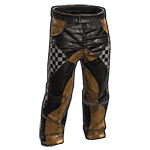
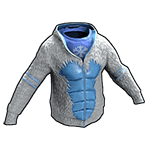
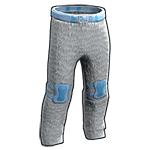
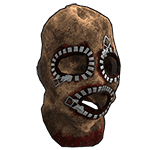
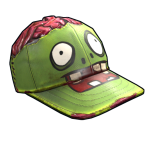
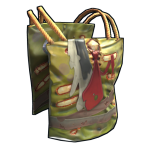
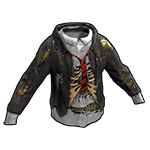
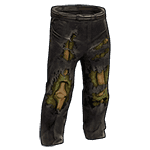
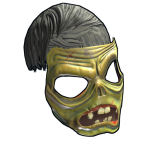
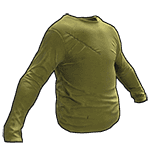
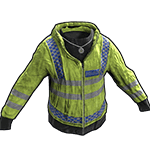
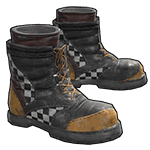
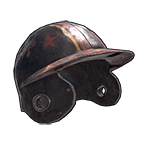
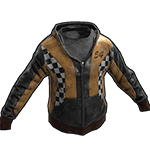
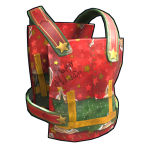
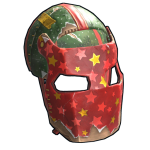
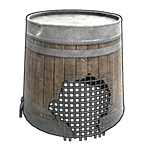
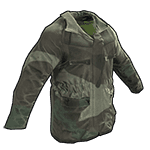
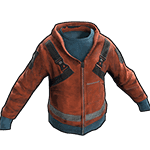
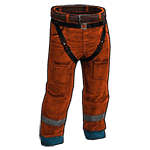
Rust Clothing & Armor Skins are cosmetic finishes for wearable items in Rust—everything from basic clothing layers to iconic armor pieces like facemasks and chest plates. If you care about style, identity, and loadout consistency, these skins matter: they’re one of the fastest ways to make your character and kit feel personal without changing gameplay balance. On this page, you can explore rust clothing skins and rust armor skins by type, spot common themes, and choose skins that fit your playstyle (stealthy, flashy, clan-unified, or “budget drip”).
What you’ll find in this Clothing & Armor Skins category
This category focuses on wearable cosmetics—primarily the items you equip on your body. Most players think of weapon skins first, but in practice, clothing and armor skins are what your squad sees constantly during raids, roams, and base defense.
Here’s what this page is built to help you do:
- Browse rust clothing skins by layer (early wipe basics to late wipe kits)
- Compare rust armor skins by piece (head, chest, legs, etc.)
- Match sets intelligently (themes, colors, and visual readability)
- Choose skins that “work” in-game (not just what looks good in the inventory)
Rust armor skins by item type (what players actually search for)
When people search rust armor skins, they usually mean a few high-impact items—pieces that define a kit visually and often become “signature” looks for a player or team.
Common armor categories you’ll want to filter by:
- Head/Face: facemask-style pieces and helmets tend to be the most recognizable
- Chest: chest plates and tactical-looking armor skins are popular for set building
- Legs: leggings/kilt-style items complete a matching kit
- Gloves/Boots (where applicable): smaller details that pull a set together
From experience, the best approach is to pick one “anchor” piece (often the head or chest skin) and build the rest of the kit around its theme and colors. That avoids the common mistake of buying several great-looking skins that don’t match once equipped.
Rust clothing skins: early-wipe style, roleplay, and set-building
Rust clothing skins matter for more than aesthetics—especially early wipe, when you’re wearing simple gear for longer. Clothing skins also give you more room to express a theme (streetwear, military, hazmat-inspired, minimalist, neon, etc.) without needing a full endgame kit.
What usually works better is building two outfits:
- a simple “daily” look that matches most gear
- a high-contrast set for events, raids, or content clips
That way, you get value from skins you actually equip often, not just the ones that look cool in a screenshot.
Quick comparison table: Clothing vs Armor skins (what to prioritize)
Before you buy or trade, it helps to decide whether you’re optimizing for visibility, set cohesion, or just collecting.
| Skin type | Typical player goal | Best for | Common buying tip |
|---|---|---|---|
| Clothing skins | Style + identity, early-wipe variety | Everyday roaming, roleplay, themed sets | Prioritize items you wear most often |
| Armor skins | Kit “signature,” set cohesion | Roams, raids, clan uniform looks | Start with head/chest as anchor pieces |
| Mixed sets | Full outfit consistency | Screenshots, team branding, content | Keep to 2–3 core colors to avoid clash |
Interpretation: If you’re undecided, start with clothing skins for day-to-day use, then add rust armor skins once you know your preferred theme and color palette.
How to choose the right Rust Clothing & Armor Skins (practical filters)
A skin can look amazing in a thumbnail and still feel “off” when equipped. In practice, these filters save time:
- Theme consistency: military, post-apoc, neon, graffiti, minimalist, etc.
- Color discipline: stick to a tight palette (2–3 main colors)
- Readability: does it look clean at distance and in motion?
- Mix-and-match potential: does it pair well with other pieces you already own?
One useful pattern is to create a “base kit” in your mind (or notes): head + chest + legs + clothing layer. Then evaluate new skins by whether they improve that kit, rather than judging each skin in isolation.
Acquisition paths table: how players get clothing and armor skins
Most players use a mix of methods depending on whether they’re collecting, trading, or just grabbing one look they like.
| Method | Best for | What to watch for |
|---|---|---|
| In-game store drops / rotations | Casual collecting, supporting creators | Rotation timing varies; don’t impulse buy duplicates |
| Community Market / trading | Targeted skins, set completion | Price swings; verify the exact item/piece before buying |
| Trading with other players | Deals, swapping unused skins | Check reputation and confirm item details carefully |
| Events / themed releases | Matching sets and seasonal looks | Some themes become harder to find later |
Interpretation: If you want a cohesive outfit fast, market/trading is usually the shortest path. If you like surprises and variety, rotations and drops are more fun over time.
Popular angles users look for (and where to go next)
These are the most common “intent” paths players follow—use them to navigate smarter:
- Best Rust skins (internal): if you want top community favorites across all items
- Rust skins market (internal): if you’re comparing availability and value logic
- Weekly drops (internal): if you track new releases and rotation timing
- AK skins (internal): if you’re building a full kit theme that includes weapons
A common mistake is treating wearables as separate from the rest of your kit. If you’re aiming for a clean identity, match clothing/armor with at least one “signature” weapon skin—your set will feel intentional instead of random.
FAQ
Do Rust clothing skins or rust armor skins change stats?
No—skins are cosmetic. They change appearance, not protection or gameplay stats.
What are the most important armor pieces to skin first?
For most users, the better starting point is the head and chest pieces because they define the kit visually and are noticed most in fights and clips.
Are matching sets worth it, or should I mix skins?
Matching sets look clean and are great for clans, but mixing can look better if you keep a consistent palette, for example, mostly dark tones with one accent color.
How do I find cheap Rust clothing skins?
Use a market view or a cheap filter and focus on common wearable items first. You’ll usually get more variety by buying several low-cost clothing skins instead of one premium piece.
Should I buy clothing skins early wipe or wait?
If you care about actually seeing your skins in-game, clothing skins are often more visible per hour played early wipe because you wear them longer.